
Online, you know exactly who your customers are. You can see who's new, who returns, what they like, and you can reach out to bring them back. In-store, most of that disappears. A shopper pays, takes their receipt, and walks out, and you're left with a sale but no record of the customer. Without that data, you can't tell a first-time buyer from a loyal regular, reach out afterward, or provide a tailored experience next time they come in. Every buyer that checks out with you in store has potential to become a loyal customer. In fact, a known in-store customer has over 60% higher lifetime value than an unknown one. Not knowing who they are leaves that potential lifetime value on the table.
A known in-store customer has over 60% higher lifetime value than an unknown one.
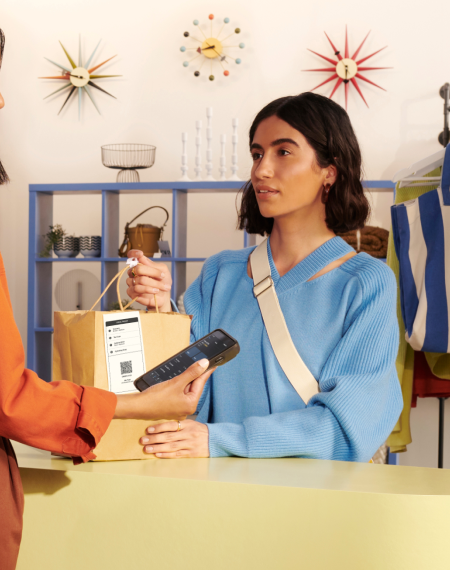
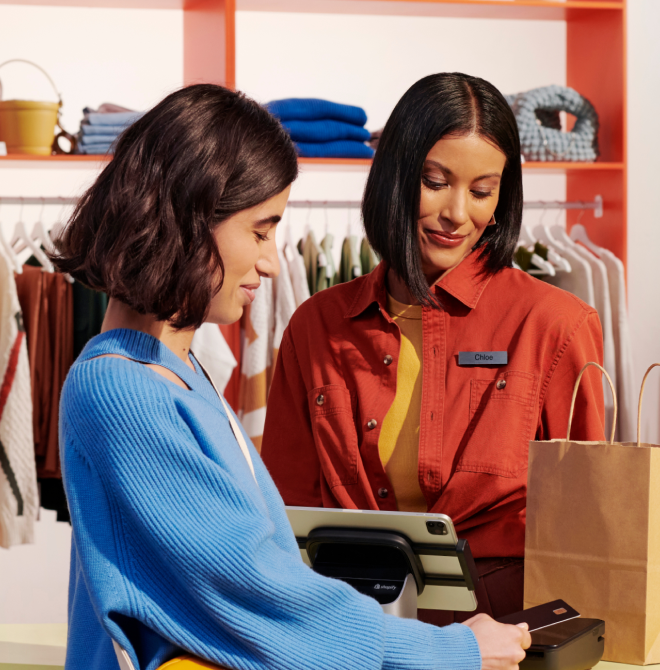
Capturing customer information in store often means asking for it at checkout. Manually asking for and inputting an email or phone number works, but it slows things down. Your staff are trying to keep checkout quick, and stopping to enter contact details adds friction to every sale. As a result it often gets skipped, and another customer walks out unknown.
We want to change that. Shopify POS isn’t just a sales channel, it’s a growth engine for your business. Recognizing your customers—both online and in-store—is a critical part of that.
Recognize more of your customers at checkout
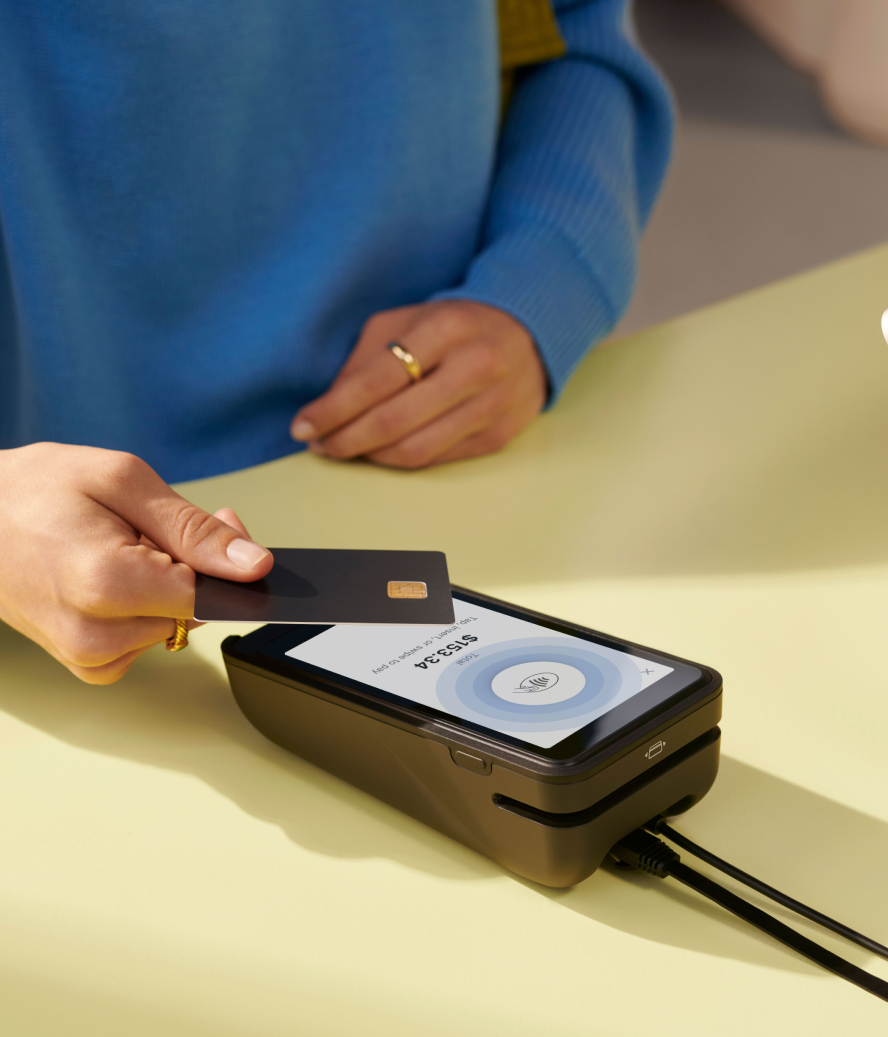
When a shopper taps their card to pay, POS can now recognize eligible shoppers through Shopify’s network of hundreds of millions of buyers who have checked out from stores powered by Shopify Payments. If POS recognizes the buyer, it will pre-fill their obfuscated contact details on the receipt selection screen as options for a digital receipt. When a buyer selects a digital receipt, they authorize Shopify to share their information with the merchant. POS then saves their information in a customer profile and connects it to the purchase, so you have a record of the shopper and their purchase history with your store.
This means your customer list can grow as more buyers choose to share their details with just one tap, and more of the people walking into your store can be identified as a customer you can build a relationship with.
Here are the ways POS now helps you identify more customers.
A returning customer is recognized automatically
When a buyer is a repeat customer and pays with the same card they've used at your store before, Shopify connects the sale to their existing customer profile automatically. Learn more.
Automatic receipts to Shop
For buyers with a Shop account, the Shop app will appear on the receipt selection screen as an option for receiving their digital receipt. If a buyer chooses to get their receipt sent to Shop, receipts from future eligible in-store purchases made with a card saved to their Shop account will automatically go to Shop. Their Shop app details will be tied to the purchase, unless they opt out. This makes both recognition and receipts even faster for Shop users, and they can easily find all their in-store receipts in one place. Learn more.


More customers recognized through Shopify Payments
Shopify can recognize eligible buyers if they’ve historically checked out on any Shopify Payments powered store. POS surfaces their obfuscated contact details as options for a digital receipt. When they choose to share those details, POS associates them with the order and adds their details to your customer list. Learn more.


Customers can opt in to marketing, news and updates from the receipt selection screen
A buyer can easily opt in to receive email and/or SMS marketing with one click after they’ve paid, when they select how they want their receipt, so you can conveniently capture marketing sign ups as you capture customer details. Learn more.

Turn checkouts into loyal customers
Once you know who's shopping with you, every new sale can become the start of a long-lasting customer relationship. You can provide memorable in-store experiences that keep them coming back, and with the ability to reference their purchase history, store staff can help them find what they’re looking for. If a customer walks in and says "I loved the plates I got last month—do you have any bowls to match?" you can pull up their history and help them complete the set.
And, if they opt into marketing news and updates, you can reach out to them with rewards and marketing that bring them back in-store. For example, using Shopify’s Marketing tools in the admin, you can create a segment of first-time customers who shopped at your store. You can then automate an SMS campaign with Shopify Messaging using that customer segment and offer 15% off their next in-store purchase, bringing local shoppers back through the door and turning a single visit into a repeat buyer.
Because more of your in-store sales will now connect to your store’s online purchases from the same customer, you also get a more accurate picture of your repeat customers across channels. You’ll know, for example, that the customer who comes in every few weeks is actually one of your highest-value regulars, not a string of anonymous one-off sales. Authorized staff can even see when a customer has started and abandoned a cart on your online store and help complete the sale in person. Identifying your customers in-store unifies your data across channels, closing the loop for you and your staff.
With more customers identified, you get deeper insights that help you invest in customer lifetime value that keeps your business growing.
Getting started
The ability to identify more customers at checkout is available to eligible merchants in POS version 11.17 and later. It’s turned on by default if you have a customer-facing display like Victa Mobile or POS Terminal, and there’s no setup required. If you don’t have a customer-facing display, you’ll need to enable customer receipt selection in the POS channel in admin.
Learn more about customer recognition and receipt selection at checkout.