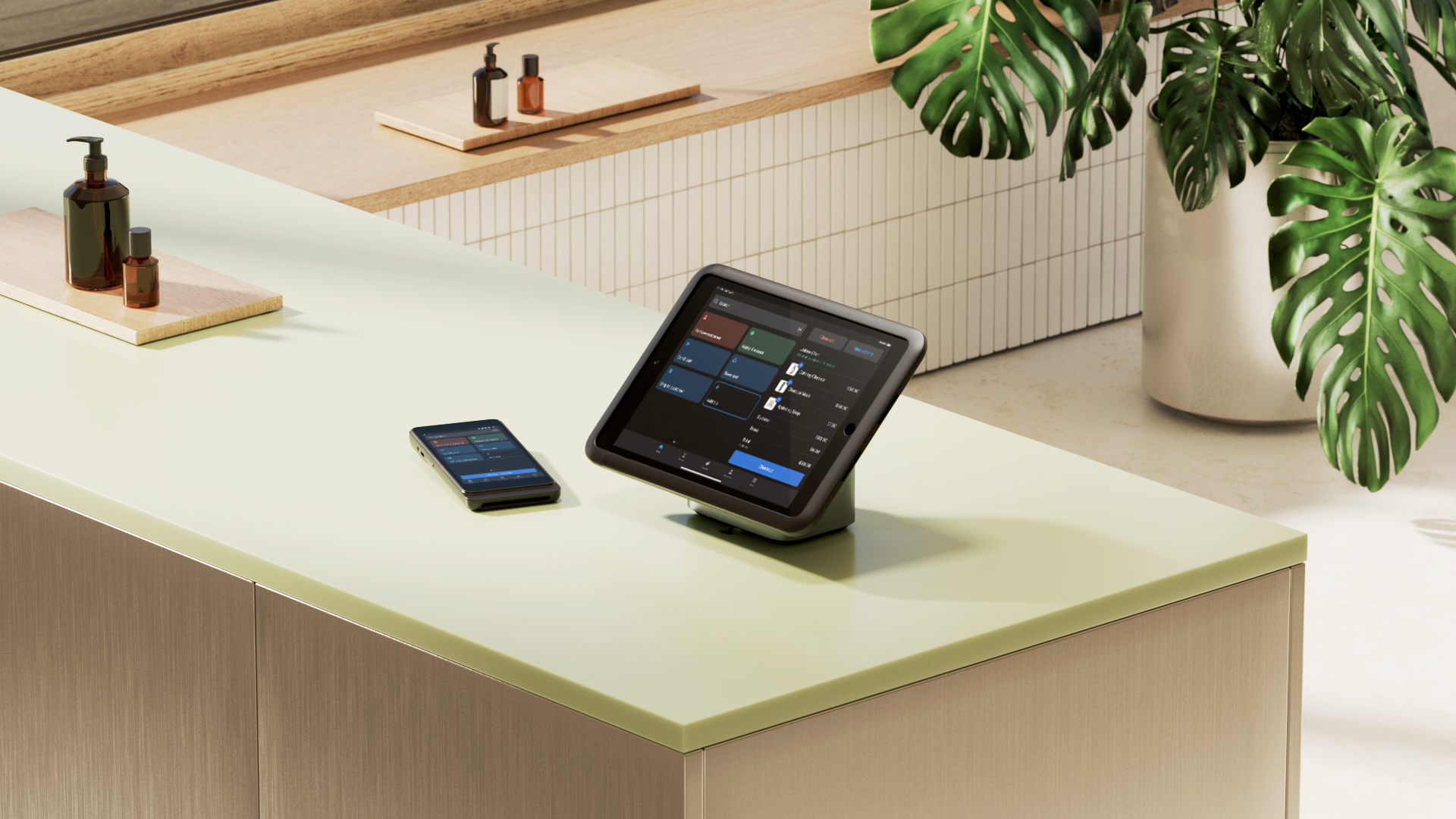
Shopify Plus is Shopify’s commerce plan for businesses with high sales volumes and complex retail needs. Shopify Plus businesses include fast-growing direct-to-consumer (DTC) and business-to-business (B2B) ecommerce companies across industries like luxury retail and fashion, along with groups managing multiple brands.
Shopify has processed more than $1.8 trillion in global commerce since its inception. In 2024, more than 875 million unique shoppers made purchases from Shopify retailers. For enterprise retailers evaluating a platform at that scale, the next question is how it performs for businesses like theirs.
Below we look at some of the verified brands using Shopify Plus, grouped by segment. Each example includes a measured outcome and a direct link to the brand’s Shopify case study.
How many retailers use Shopify Plus?
Shopify reported more than 14,000 Shopify Plus retailers in its 2021 annual information form, published in February 2022. The plan serves businesses with different requirements:
- High-volume direct-to-consumer (DTC) brands handling large order volumes and busy product launches
- B2B businesses managing wholesale purchasing and customer-specific pricing
- Omnichannel retailers connecting online sales with physical stores
- Luxury and premium brands creating custom storefronts and checkout experiences
- Multi-brand groups managing distinct brands across multiple store
Shopify Plus pricing starts at $2,300 USD per month on a three-year term, or $2,500 USD per month on a one-year term. More complex or higher-volume businesses may pay a variable platform fee based on revenue and business model.
Contact the Shopify Plus team to confirm qualification criteria and pricing for your business.
Major brands on Shopify Plus
The Shopify Plus examples in this section cover apparel, beauty, office supplies, and beverages. Their results show how retailers with different products and sales models use Shopify Plus:
- Gymshark sells fitness apparel and accessories. After migrating to Shopify Plus, they reached GB£41 million in sales.
- Allbirds sells footwear online and through physical stores. After introducing ship from store with Shopify POS, they reported that more than 50% of products shipped from stores were generally slower-moving inventory.
- Dermalogica is a skincare brand founded in 1986. They reported a 9% increase in store conversion when comparing the 30 days after their September 2025 Horizon theme launch with the preceding 30 days.
- Staples Canada sells office supplies through their website and retail stores. After switching to Shopify Plus, they ran more than four times as many website promotions during Black Friday and Cyber Monday as before.
- Molson Coors produces beer and other beverages across a portfolio of brands. They launched their Canadian DTC store on Shopify Plus in 10 days. Sales increased by 188% month over month, orders increased by 152%, and conversion by 109%.
Luxury brands using Shopify Plus
Shopify Plus gives luxury and premium retailers control over how their brand looks throughout a purchase.
Developers can customize checkout colors through the Checkout and Accounts Configuration API, which replaced the Checkout Branding API in 2026. Retailers can also create different checkout flows for B2B and DTC customers within the same store.
For bespoke storefronts, Plus lets developers build up to 25 custom React-based storefronts with Hydrogen and deploy them on Oxygen. A headless storefront separates the customer-facing design from the underlying commerce system, giving teams more control over the shopping experience.
The following luxury and premium retailers have published results from their Shopify Plus projects:
- Daniel Wellington sells watches and accessories in the affordable luxury segment. They replaced 59 storefronts with 12 Shopify stores in five months. Licensing costs fell by more than 50%, saving the company approximately €500,000 per year.
- Peter Sheppard Footwear is an Australian luxury footwear retailer. Moving to Shopify Plus removed a 24-hour delay for website updates. Online conversion tripled, and online revenue increased 30% season over season.
- Steve Madden is a global footwear and fashion business. Before their rebuild, the company managed more than 260 apps across 30 sites and three brands. Its new Shopify architecture increased conversion by 16% while giving regional teams control over localized content.
Large retail and multi-brand groups on Shopify Plus
Large retail brands using Shopify Plus can manage stores and staff across an organization. They can also coordinate inventory and wholesale sales. Multi-brand groups can arrange a separate Plus subscription for each brand under one organization.
The plan includes:
- Expansion stores: One main store and nine expansion stores are included under a standard Plus contract. These stores must meet Shopify’s expansion store requirements, including consistent branding and product types.
- Retail locations: Plus allows up to 200 inventory locations. The plan includes 20 POS Pro locations. Fees are waived for up to 200 when Shopify Payments is the primary payment provider for retail locations.
- Staff access: Unlimited staff accounts let retailers give more employees access as their teams grow.
- Wholesale catalogs: Unlimited B2B catalogs and direct catalog assignment to company locations are exclusive to Shopify Plus. Retailers can use these tools to set different products and prices for each B2B customer or location.
Some examples include:
- Mattel Creations sells collectibles across Mattel’s portfolio of brands. Using Shopify Collective alongside Plus, they introduced a partner’s products in less than two weeks.
- Unity Brands operates a portfolio of Canadian retail brands. After improving integrations and storefront functionality, they reported a 37.5% conversion rate increase on their Mastermind Toys storefront.
Fashion brands on Shopify Plus
Shopify Plus is a good fit for growing fashion brands that manage expanding collections and international sales. Its catalog tools handle size and color combinations, while POS Pro connects online shopping with physical stores.
Fashion retailers can use:
- Unlimited SKUs: Shopify Plus allows catalogs to grow as brands add collections. Shopify reports that billion-dollar businesses use the platform for catalogs exceeding one million products and variants.
- Variant management: Retailers can organize size and color combinations under each product and track inventory for individual variants.
- International pricing: Teams can set custom product prices by market to reflect their pricing strategy in each country.
- Connected retail: Shopify POS Pro brings store inventory into the online shopping experience through features such as ship-from-store.
Fashion and apparel case studies include:
- Faherty is a family-led apparel brand. Their Shopify Plus redesign increased DTC revenue by 28%. Conversion among visitors arriving through search increased 15%.
- Allbirds sells footwear online and through physical stores. Their ship-from-store rollout enabled 31 retail stores to fulfill orders across sales channels.
- Rollie Nation is an Australian footwear brand. After migrating from BigCommerce to Shopify Plus, average page load time fell 62%. Conversion increased 3.5%, while bounce rate fell 1.5%.
DTC and high-growth brands on Shopify Plus
Shopify Plus benefits for high-growth DTC brands include scheduled launches and automated workflows. Teams can also build custom promotions and reach prospective customers through advertising.
Key capabilities include:
- Launchpad: Schedule campaigns and flash sales in advance. Launchpad can coordinate product releases and sale pricing around an event’s start and end times.
- Enhanced discounting APIs: Create custom discount rules, such as shipping discounts that depend on order value.
- Shopify Audiences: Use this tool to generate audiences of prospective buyers for advertising campaigns. Eligibility includes being a Plus store based in the US or Canada, using Shopify Payments, and activating Shopify Network Intelligence.
- Shopify Flow: Use the drag-and-drop interface to automate repetitive tasks and set up powerful multi-step workflows. For example, a new order can trigger multiple actions (send a thank-you email, Slack a B2B rep, contact the warehouse team) based on conditions the retailer defines.
For peak demand, Shopify lists capacity for more than 10,000 checkouts per minute, with unlimited bandwidth and transactions. Shopify also reports 99.99% average uptime during the year’s largest sales events. A Plus agreement may include a 99.99% uptime service-level agreement (SLA).
DTC and high-growth examples include:
- Bombas sells comfort-focused socks. They recorded $17.2 million in sales during their first full year after migrating to Shopify Plus.
- Christy Ng is a Malaysian footwear brand with online and physical stores. After adopting Shopify Flow, they reduced order-processing time from two days to one hour.
- Kate Hewko sells contemporary women’s fashion. In a three-week campaign, their Shopify Audiences targeting produced 45% higher return on ad spend than the other audiences tested.
What these brands measured after migrating to Shopify Plus
Shopify Plus case studies document both migration results and later improvements to existing stores. The table below shows what these brands measure.
| Outcome category | Brand and source | Published result |
|---|---|---|
| Conversion rate improvements | Steve Madden | Conversion increased 16% after rebuilding their Shopify presence across 30 sites and three brands. |
| Site speed gains | Rollie Nation | Average page-load time fell 62% after migration. |
| Revenue growth | Faherty | DTC revenue increased 28% following their storefront redesign. |
| Process efficiency | Christy Ng | Shopify Flow reduced order processing time from two days to one hour. |
| Migration outcomes | Daniel Wellington | The team replaced 59 storefronts with 12 Shopify stores in five months. |
Shopify Partners and Professional Services can help retailers with migrations, integrations, and custom storefront work.
For example, Daniel Wellington completed their five-month migration with Shopify Partner Woolman. The project connected 12 Shopify stores with the retailer’s enterprise resource planning (ERP), product information, content management, and personalization systems.
Shopify also publishes platform-level research comparing our performance with competing commerce platforms. Individual retailers may see different results:
- Checkout conversion: Shopify checkout converts 15% better on average than other platforms. The enterprise comparison places the advantage at up to 36%.
- Shop Pay conversion: Shop Pay converts up to 50% better than guest checkout. The percentage compares Shop Pay with guest checkout, not with other platforms.
- Peak-event uptime: Shopify averaged 99.99% uptime across its global platform during the year’s largest sales events.
- Site speed: Shopify storefronts render 1.8 times faster on average than stores on competing platforms, and up to 2.4 times faster.
- Total cost of ownership (TCO): Research commissioned by Shopify found that its total cost of ownership was 33% lower on average than that of competing platforms.
Shopify Plus brands FAQ
What types of brands use Shopify Plus?
Shopify Plus serves high-growth and high-volume businesses across DTC, B2B, fashion, luxury, omnichannel retail, and multi-brand commerce. It suits businesses that need advanced checkout customization, international selling tools, retail integrations, and automation for complex commerce workflows.
What results have brands seen after migrating to Shopify Plus?
Results vary by project. Bombas achieved 300% year-over-year growth. Rollie Nation reduced average page-load time by 62%. Steve Madden increased conversion by 16%.
How does Shopify Plus handle high-volume sales events like product launches and flash sales?
Shopify Plus processes more than 10,000 checkouts per minute with unlimited bandwidth and transactions. Launchpad lets retailers schedule product drops, discounts, and campaign changes. Shopify also reports 99.99% average uptime during the year’s largest sales events.
Can large retail groups with multiple brands use a single Shopify Plus account?
Large retail groups can manage multiple stores within a Plus organization. Separate brands generally require individual Plus subscriptions under a multi-brand agreement. A standard Plus contract includes one main store and nine eligible expansion stores. Expansion stores must extend the same brand.
Is Shopify Plus good for growing fashion brands?
Yes. Shopify Plus offers unlimited SKUs and tools for managing product variants such as size, color, and style. Billion-dollar businesses host more than 1 million products and variants on Shopify. Fashion retailers can also set prices by market and connect online inventory with stores through Shopify POS.