Shopify vs QuickBooks
Shopify or QuickBooks?
Pick Shopify for a point of sale solution that comes loaded with a suite of modern features to help take your business to the next level.
You agree to receive Shopify marketing emails.
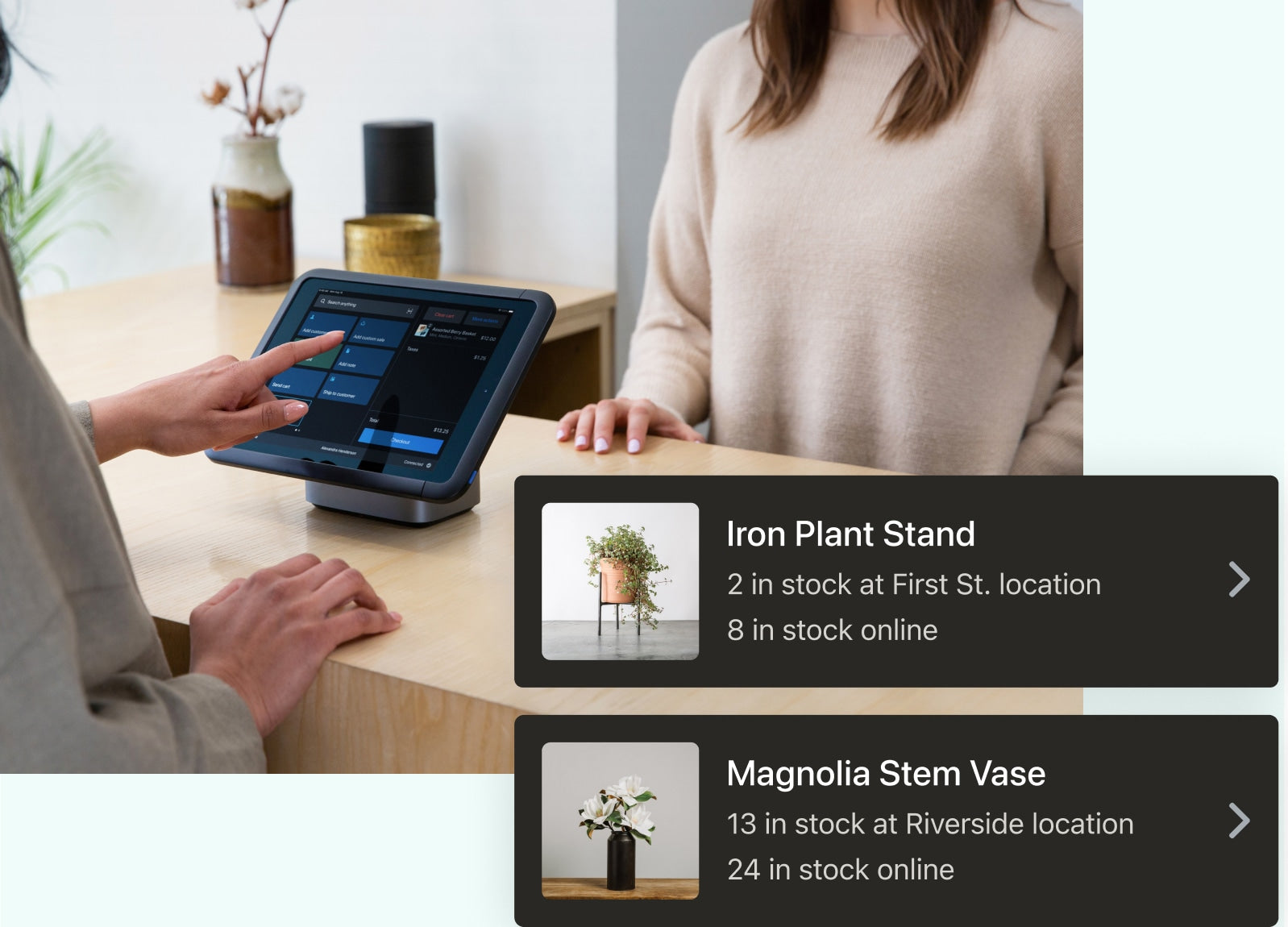
Move off QuickBooks Desktop Point of Sale
| Key features | QuickBooks | Shopify |
|---|---|---|
| Point of sale software | QuickBooksIntuit discontinued QuickBooks Desktop Point of Sale 19.0 on October 3, 2023 | ShopifyShopify POS, connected to the same Shopify admin as your online store |
| In-store and online payments | QuickBooksQuickBooks Point of Sale Payments discontinued October 3, 2023 | ShopifyOne payment processor for in-store and online sales |
| Gift cards | QuickBooksQuickBooks Point of Sale Gift Card Service discontinued October 3, 2023 | ShopifyPhysical and digital gift cards that customers redeem in store and online |
| Manage multiple store locations | QuickBooksIntuit Store Exchange discontinued October 3, 2023 | ShopifyInventory for every store location and your website, synced in one system |
| Ecommerce | QuickBooksWebgility ecommerce integration for Point of Sale discontinued October 3, 2023 | ShopifyOnline store included on every plan |
| Accounting | QuickBooksQuickBooks Desktop accounting software isn’t affected by the Point of Sale discontinuation | ShopifySyncs orders, purchase orders, customers, inventory adjustments, and vendors to QuickBooks Desktop through the QuickBooks Desktop Connector app |
| Migration from QuickBooks Desktop Point of Sale | QuickBooksExport products, inventory, customers, and vendors with the free QuickBooks Desktop Connector app | ShopifyImports products with inventory quantities at each location, customers, vendors, and customer notes |
| Support | QuickBooksLive phone, email, and chat support for Point of Sale discontinued October 3, 2023 | Shopify24/7 in English |
Try Shopify POS Free for 3 Days
Start unifying in-store and online sales with Shopify to streamline operations, make more sales, and keep customers coming back.

10 Things Shopify Can Do vs QuickBooks
Get unlimited registers per location
Create as many registers as you need across your multiple retail locations. No additional costs or limitations on how you want to sell.
Manage orders, inventory, and payments in one place
Your Shopify admin is your one-stop spot to access everything you need for your business. Manage orders, inventory, payments, staff, and more with automatic syncing across channels.
In-store and online payments
With Shopify, you use the same payment processor for online and in-store sales, so you can manage your money in one place.
Online and in-store gift cards
On Shopify, you can sell physical and digital gift cards, and customers can redeem them in store and online. Intuit lists the third-party Selling Point app for moving QuickBooks Point of Sale gift card data to Shopify.
In-store pickup
On Shopify, customers can check what’s in stock before they come to your store—and when they buy online they can select local delivery or in-store pickup at checkout.
Unlimited sales channels
All Shopify plans come with unlimited access to sales channels. Sell on Facebook, Instagram, Amazon, TikTok, and more, all through your Shopify admin.
Ecommerce included
With Shopify, ecommerce is included, and your online store and Shopify POS share one back office. Intuit discontinued the Webgility ecommerce integration for QuickBooks Point of Sale on October 3, 2023.
Unlimited online orders
All Shopify’s plans come with unlimited orders so when you get an unexpected surge in shoppers, you can simply enjoy it.
Sync inventory across locations
With Shopify, you’ve got the power of multiple store location management in a single system. In-store and online inventory are synced as soon as items are restocked, sold, transferred, or returned, giving you real-time data, so you’re never at risk of overselling at any location.
Built-in marketing
Shopify comes with marketing tools and customer profiles that sync across online and in-store. You can create ads, build email campaigns tailored to your audience, and boost repeat purchases with loyalty and reward programs.
Why Business Owners Choose Shopify Over QuickBooks
Get 24/7 support on every plan
Shopify support is available 24/7, no matter which plan you’re on. You’ll also have access to help docs, webinars, blog posts, and online courses to guide you along the way.
8.9% revenue lift from omnichannel selling
Shopify syncs inventory and customer profiles across all your locations, in store and online. That means customers can buy online, pick up in store, or buy in store and have the item shipped to their home. You can also accept returns and exchanges of online purchases at any retail store. Shopify POS retailers see an 8.9% lift in revenue on average from omnichannel selling like endless aisle and buy online, pick up in store (BOPIS), according to the EY POS Market Report (November 2024).
You can sell anywhere, anytime
With Shopify, you can open a new retail store, turn Instagram followers into customers by selling on social, and list your products on marketplaces like Etsy. Shopify powers millions of merchants in more than 175 countries.
80% email capture and 40% opt-ins in store
No matter where your customers buy from you, you can associate all their purchases with one customer profile with Shopify POS. That means you can use their purchase history to make meaningful in-store recommendations. Brands using Shopify POS achieve an 80% email capture rate and a 40% marketing opt-in rate in store, according to research commissioned by Shopify and published by EY in July 2025.
22% lower total cost of ownership on average
Shopify was built for selling, and QuickBooks was built for accounting. Shopify comes with the tools you need to run a business out of the box, from selling online and in store to managing all your inventory from a centralized admin, so you can skip the clunky integrations. Shopify POS has a 22% lower total cost of ownership on average than the competition, according to the EY POS Market Report (November 2024).
Get a website and 21,000+ apps to manage it
All Shopify’s plans come with ecommerce at no extra cost. That includes hosting, use of the drag-and-drop website builder, and access to a library of free and paid website templates. The Shopify App Store has more than 21,000 apps as of December 31, 2025.
Shopify is really an all-in-one system. And we don’t have to piecemeal the integration together like we had to do with Quickbooks and Magento.
Learn More About Shopify
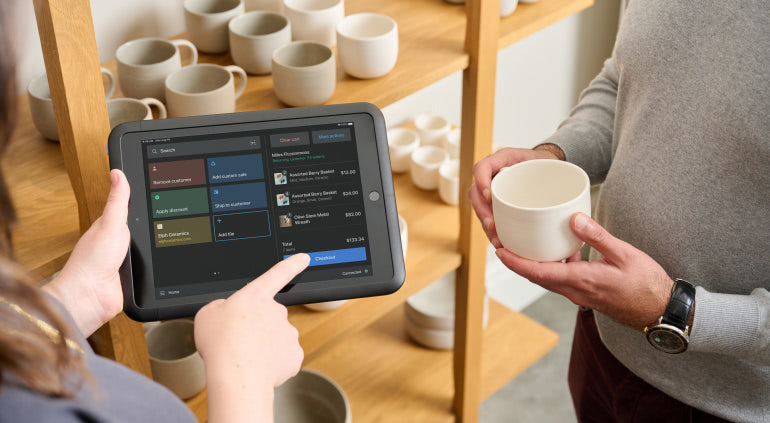
Compare Shopify POS
See how Shopify POS compares to other popular point-of-sale systems.

Discover Shopify POS
Learn why Shopify’s powerful solution is the advantage your business needs.
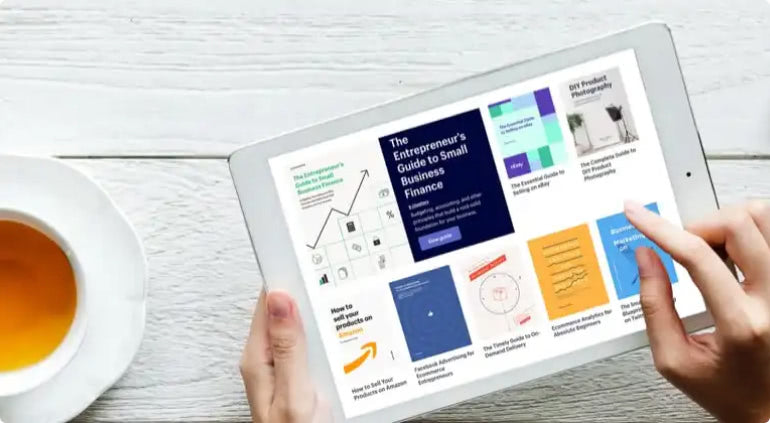
Read the Retail Blog
Check out the blog for everything retail from success stories to emerging trends.
Try Shopify POS Free for 3 Days
Start unifying in-store and online sales with Shopify to streamline operations, make more sales, and keep customers coming back.
FAQs
Is QuickBooks Desktop Point of Sale still available?
Intuit discontinued QuickBooks Desktop Point of Sale 19.0 on October 3, 2023. Its connected services ended the same day, including QuickBooks Point of Sale Payments, the Gift Card Service, and live support, according to Intuit’s discontinuation notice. QuickBooks Desktop accounting software isn’t affected.
Intuit points Point of Sale users to Shopify: “Intuit partnered with Shopify to bring you a modern retail solution that integrates with QuickBooks Desktop financial software.”
How do I move from QuickBooks Desktop Point of Sale to Shopify POS?
Use the free QuickBooks Desktop Connector app to move products (including inventory quantities at each location), customers, vendors, and customer notes from QuickBooks Desktop Point of Sale into Shopify, according to Intuit. Customer balances, product images, and past transactions don’t move directly. Export balances and images manually, and use QuickBooks Point of Sale to view past sales receipts and purchase orders.
For migration help, see Shopify POS for QuickBooks merchants.
Does Shopify work with QuickBooks for accounting?
Yes. Shopify syncs orders, purchase orders, customers, inventory adjustments, and vendors with QuickBooks Desktop through the free QuickBooks Desktop Connector app, and several integrations connect Shopify with QuickBooks Online, according to Intuit. Cost of goods sold also flows from Shopify to QuickBooks Desktop when you use the connector app.
What’s the difference between Shopify and Shopify POS?
Shopify is a complete platform for running a business in person or online. It’s your central location for managing products and orders, accepting payments, and customer relationships. It gives you a unified back office, so you can sell from a retail store, pop-up, website, on social media channels, or online marketplaces, and keeps them all connected.
Shopify POS connects to that back office for in-person sales, ensuring that inventory, payments, and customer data are fully synced as you make sales from your retail store. It gives you full control over staff and multi-store management, and lets you tailor your POS to whatever your store needs, linking in-store and online sales to simplify inventory tasks, give you more control over cash flow, and incentivize in-store visitors with online marketing. The intuitive and mobile POS app also makes it easy to fly through checkout and assist customers anywhere, on the sales floor or on the go.
Do I have to purchase Shopify POS hardware?
Shopify POS is designed to work with the hardware you already have.
Should I use Shopify or QuickBooks for my retail store?
Use Shopify to sell in store and online, and QuickBooks for accounting: Shopify syncs orders, customers, and inventory adjustments with QuickBooks Desktop through the QuickBooks Desktop Connector app. Shopify provides every type of retailer with a complete solution for running their business and taking payments both in-store and online. An intuitive POS, powerful ecommerce features, and transparent pricing plans make Shopify a great fit for all businesses, whether they’re starting or scaling.
Twinkle Twinkle Little One moved from QuickBooks POS to Shopify POS, kept QuickBooks Desktop for accounting, and grew revenue by nearly 80% year-over-year, according to their Shopify case study.
What’s the best commerce platform for you?
Learn why thousands of businesses migrate to Shopify every year.